
Experience Design Perspectives
How environments, hospitality alignment, and experience architecture shape human perception and behavior.
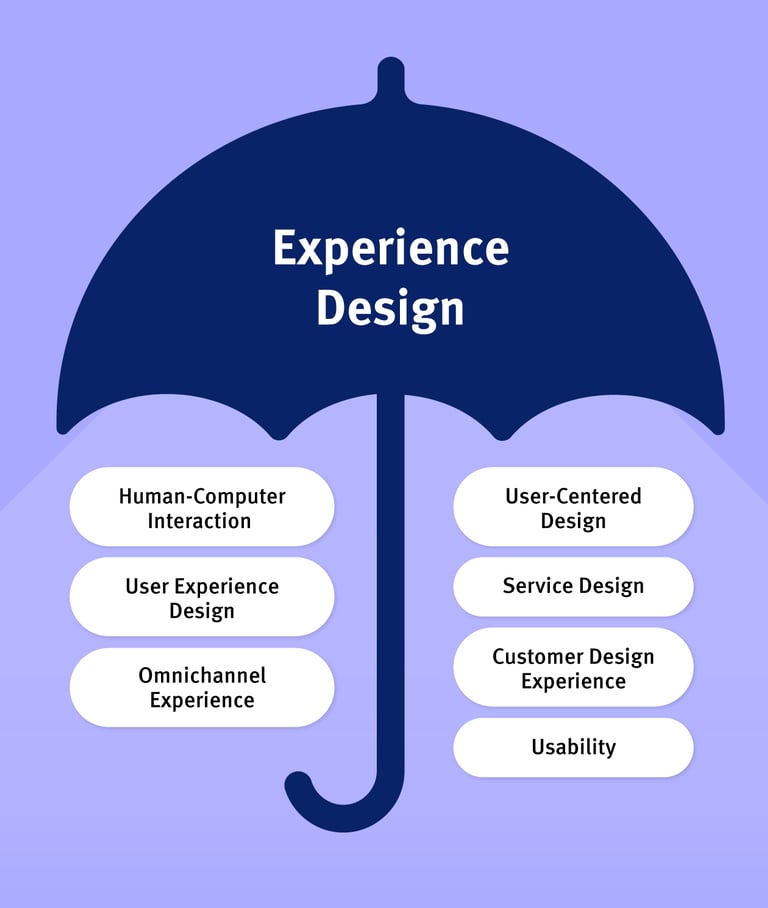
Experience Design Perspectives explores how people interact with environments — physical, sensory, cultural, and emotional. This category examines the architecture of experience: the cues, flows, rituals, and design elements that influence how individuals feel, behave, and connect within a space.
We look at how hospitality alignment, property environments, and corridor‑specific cultural patterns shape the quality of human experience. These insights help executives, families, and organizations design environments that support belonging, continuity, and intentional living.
What You'll Find Here
Experience Architecture Models — Frameworks that explain how environments shape perception, behavior, and emotional continuity.
Hospitality Alignment Principles — How hospitality rituals, service patterns, and behavioral cues create meaningful experiences.
Property & Environment Design — How interiors, amenities, and environmental elements influence human experience.
Corridor‑Specific Experience Design — How experience design shifts across regions, cultures, and corridor identities.
Experience Architecture Models
How environments shape perception, behavior, and emotional continuity
Experience architecture is the foundation of how people interpret and navigate space. Every environment communicates through:
spatial flow
sensory cues
behavioral triggers
emotional anchors
The strongest environments are designed intentionally — not just aesthetically. They guide movement, reduce friction, and create emotional continuity.
Articles


How hospitality rituals create meaningful experiences
Hospitality alignment is the practice of designing environments that feel intuitive, welcoming, and emotionally stable. It includes:
service patterns
behavioral rituals
environmental consistency
cultural cues
Aligned hospitality environments reduce cognitive load and increase comfort, making transitions smoother and experiences more memorable.


Hospitality Alignment Principles
Articles
How interiors and amenities influence human experience
Property environments shape how people feel and behave.
This includes:
interior design
amenity placement
lighting and acoustics
functional flow
environmental psychology
Well‑designed environments support belonging, productivity, and emotional stability.


Property & Environment Design
Articles
Corridor-Specific Experience Design
How families transition into new environments
Families don’t relocate — systems relocate.
Every family has a unique ecosystem of:
routines
emotional anchors
school rhythms
social networks
lifestyle patterns
The most powerful insight here is the Family Continuity Principle:
The more continuity a family maintains in its daily rituals, the faster it adapts to a new environment.
This includes:
morning routines
meal patterns
bedtime rituals
weekend anchors
shared activities
Families who preserve these rituals experience smoother transitions, fewer emotional disruptions, and stronger long-term stability.


Articles
Reduce your organization's frictional movement
DIVISIONS
© 2026. | All rights reserved.
GLOBAL MOBILITY
SIGNATURE EXPERIENCE DESIGN
RESOURCES
Templates
COMPANY
About RRCC
CONTACT US
CONNECT
Book a discovery call
Checklists

Live well. move smart. live whole
Newsletter sign UP
PUBLICATIONS + MEDIA
Corridor Circuit Magazine
Media Inquiries
Free Guides
eXECUTIVE LIFESTYLE mOBILITY cONCIERGE
Media kit
TALENT MOBILITY